Monday, July 31, 2006

Brazil or Bust!

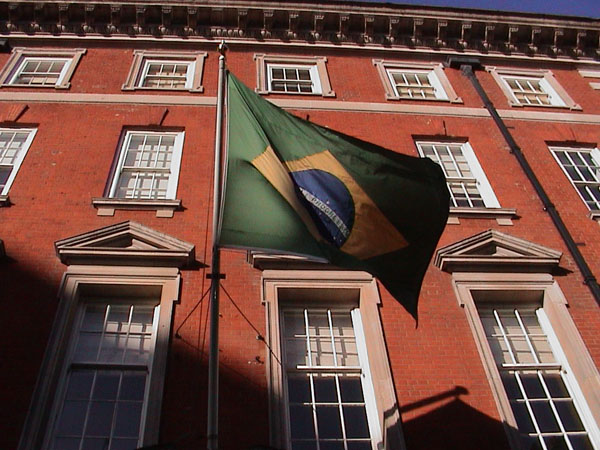
ADP: Leaving things until the very last conceivable minute is a Lost Girls way of life, which on a trip like this one, can get us into serious trouble! For instance, it's probably unwise to delay applying for your Brazilian visa until one week before you hope to visit the country, but due to scheduling conflicts, language related misunderstandings and inconveniently timed Peruvian holidays (excuses, excuses), we were force to wait until today to visit the appropriate embassy.

We'd heard that it could take up to five days to receive a Brazilian visa, but we weren't all that concerned....we figured that we'd file our paperwork on a Monday, fly north to visit the Peruvian Amazon on a Tuesday, return to Lima on Sunday, pick up our visas the following Monday and depart for Brazil on Tuesday the 8th. One week. Pleeeenty of time. Right?

As of 10:30 this morning, everything was going smoothly...we paid our $100 (a fee imposed simply because the US government charges Brazilian the same amount to enter our country), presented our information, filled out our forms and handed in our passports...a document that we'd need back in order to show airport officials to board our expensive flight at 5:00 a.m. tomorrow.

It never occurred to us that the embassy might actually want to keep our passports in order to complete the processing, but once the woman behind the counter set us straight, all three of us stared at her, unable to do much more than stammer, stutter and basically beg her to make the process happen in the amount of time she originally stated was, oh, impossible.

We must have looked incredibly distraught (I was clutching my head in my hands at that point), because the woman took pity on us. She made no promises, but told us to return at 5:00 that afternoon, "not a minute sooner, not a minute later."

The Travel Gods must have been smiling, because when we slid inside the door at 4:59:55, our visas were ready, and all of the women in the office wished us a good trip. We were shocked. We grabbed the documents and our passports, profusely thanking everyone in sight and dashing out the door before the embassy officials decided to change their minds.

Lesson (perhaps) learned: plan ahead, plan ahead, plan ahead (and then add an extra week for safe measure).

--AP

Sunday, July 30, 2006

Where the Men Aren't

Just a question The Lost Girls would like to throw out to the universe: Why does there seem to be more American women on the road than men?

We've met a bunch of Americans with a double X chromosome traveling by themselves, and a few in groups. But we never, ever seem to meet American guys backpacking unless they've got their girlfriend in tow. On the other hand, there's no shortage of packs of Israeli, British, Chilean and Australian men. What's the deal? Can anyone explain this phenomenon?

Top 10 Lessons Learned in Peruvia

(a.k.a. The area encompassing Peru and Bolivia)

1. The words bus and schedule are oxymorons.
2. Toilet paper is an endangered commodity.
3. Getting change, even for the smallest bills, is nearly impossible.
4. Only the dogs wearing shirts are not strays.
5. One Pisco sour is equal to three alcoholic beverages, so drink ‘em in moderation.
6. It’s completely normal for police to raid buses for contraband blankets and bars for staying open past midnight.
7. It is possible to hike at 14,000 feet for 10 hours with a funky foreign bug.
8. Coco leaves cure everything. Really.
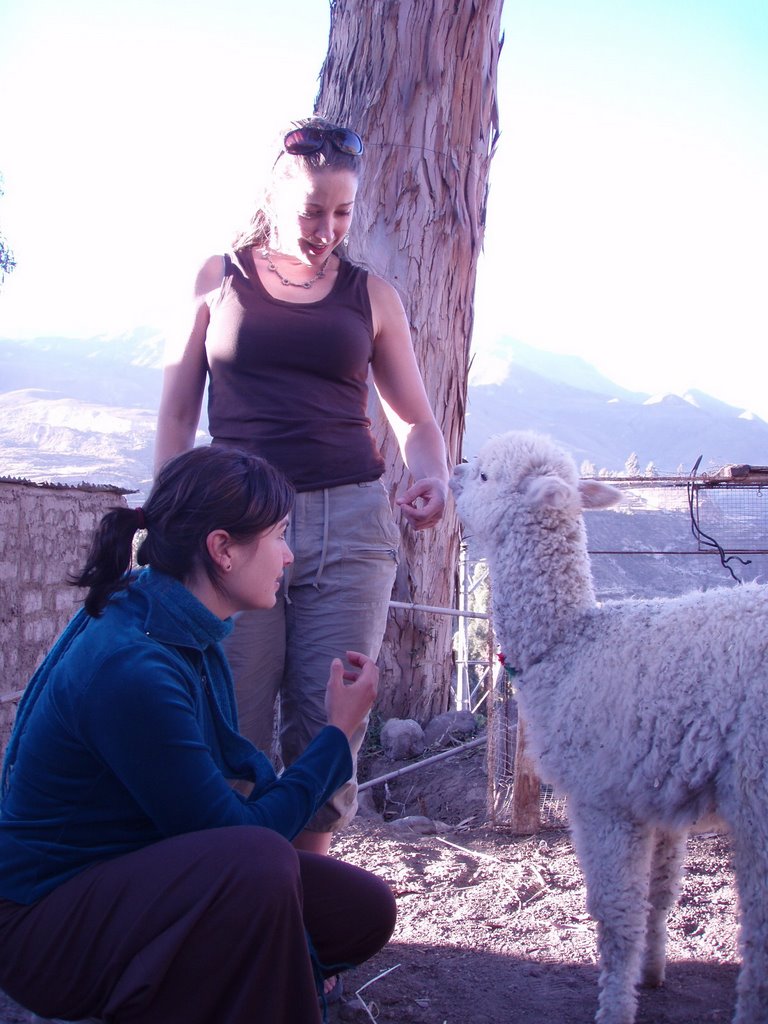
9. Alpacas spit.
10. Happiness is getting 7 hours sleep.
11. Breakfast included means stale bread and a slab of marmalade.

HCC

Stranded in Colca Canyon, Peru

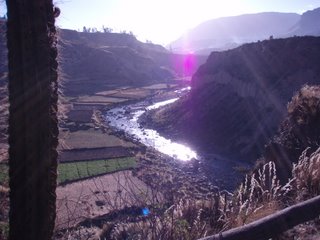
HCC: We took a bumpy, three-hour bus ride from Arequipas, a white-washed city with a Spanish-colonial vibe, to the dusty, desert-like Colca Canyon. The big draw? To spot condors up close.

To see the world’s largest bird, we needed to get to Cruz del Condor, the park where they make their home in the cliffs. Cesar, our hotel’s manager, informed us we could either hire a taxi to take us at 7 a.m. the next morning for 100 soles (or around $30) or catch a 5:45 a.m. bus for 3 soles (less than a dollar).

We decided on the cheap bus option because riding with the locals usually proves more adventurous. Um, we had no idea how right we were. Below is a timeline of our eventful day.

4:30 a.m. Cesar gives us a wake up knock and we drag ourselves out of bed, bleary-eyed after the previous day of travel to eat breakfast and wait for the bus.

6 a.m. Still no bus.

6:10 a.m. We must have missed the bus, so Cesar drives us into town to see if we can catch another one. As luck would have it, the next won’t arrive until 7, 7:30, 8 or 8:30, depending on which random person we ask.

6:20 a.m. Cesar drops us off at his friend’s restaurant- lodge so we could wait by the fire since it’s still freezing outside.

Amanda practices sprinting out the front door, through the parking lot and to the road to flag down the bus when it passes. Jen times her on her stopwatch: 11 seconds. Nice job, Forest!

7:30 a.m. Amanda manages to flag down a bus. Hooray! If only Cesar had informed us a later bus was an option, we might have gotten two extra hours of sweet sleep. But at least we’re on the road.

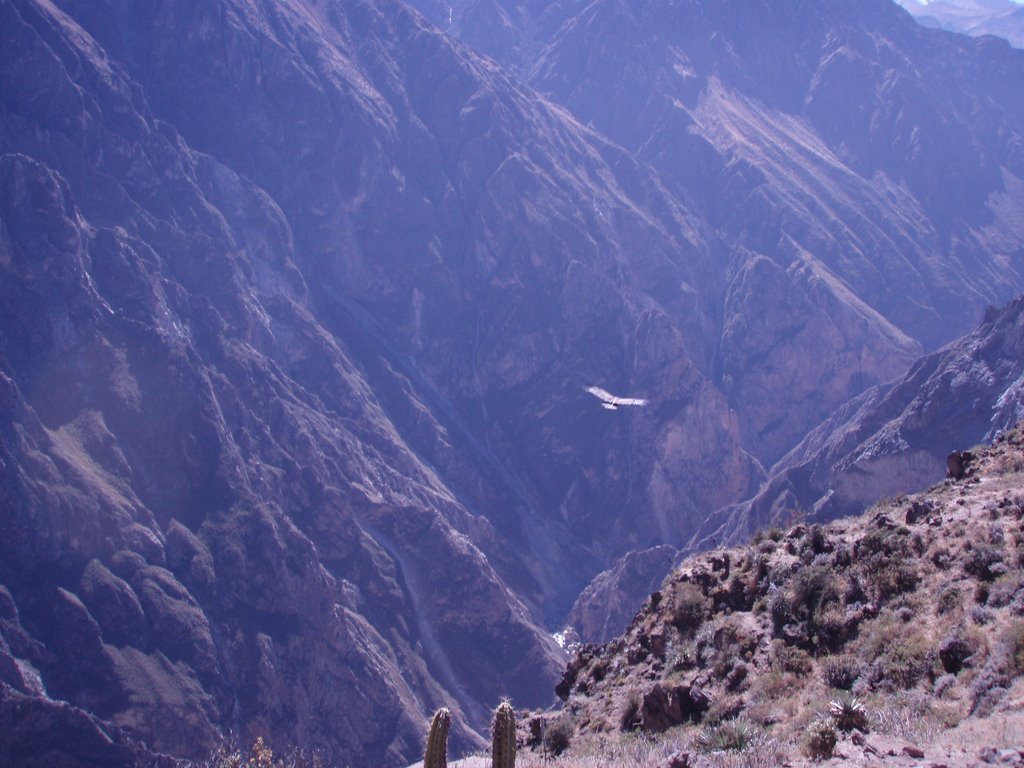
9 a.m. We arrive at Cruz del Condor and pay our 35 soles (about $10) to sit on the edge of a sheer rock face among dozens of other tourists and wait to spy the condors.

9:40 a.m. The crowd of tourists let out a collective “Ahhh!” as a bird with a wing span of about 6 feet soars dangerously close overhead. It circles and glides on the wind’s current like a fighter jet, then lands on a nearby rock outcrop and stretches its wings. Awesome!

A second condor flies nearby and the first bird leaves its resting spot to meet it and gracefully soar in tandem over the canyon, then they disappear.
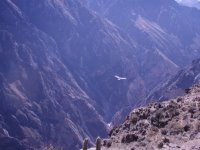


9:50 a.m. I notice all the tourist buses have vacated the once crowded parking lot and see two local buses pass by filled to the max with passengers. Shoot, we missed the next bus back!

10 a.m. A park attendant says the next bus is 12:30. The girls and I look at each other in panic-we have to wait out here in this blazing sun without water for 2 ½ more hours?! He’s got to be joking.

12:30 p.m. The bus is here! A dozen or so tourists stand in the middle of the road to block its path when it doesn’t slow down. The driver won’t open the doors for us and I can see why: People are packed inside tighter than the NYC subway at rush hour. They’re standing in the aisles, hanging out the windows and a few are even on the roof, holding on for dear life.

12:35 p.m. A riot is erupting as stranded tourists pound on the doors, demanding to be let on. The driver says the next bus may be at 1 or 2 p.m. We decide to start walking to the next town.

1:15 p.m. We get out the video camera to record a message to our Moms in case we become dead meat (a.k.a. lunch for the condors).

1:20 p.m. Our prayers are answered when a priest driving a white van pulls up and lets us in. Thank God for the kindness of strangers!
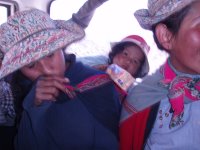


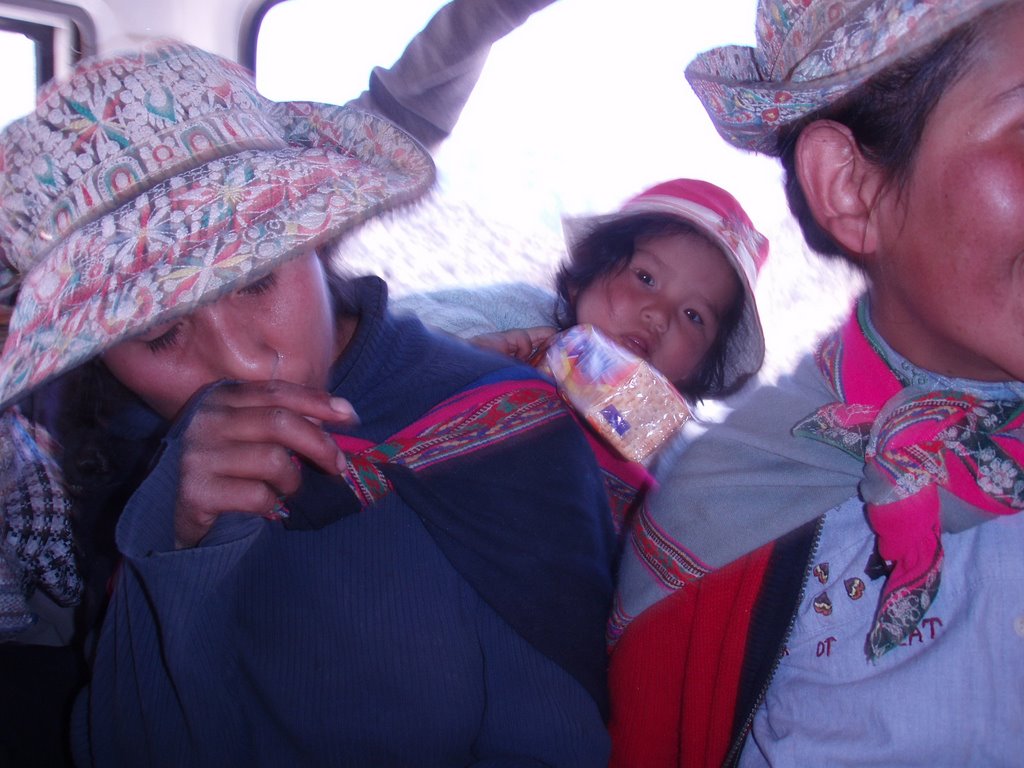
1:25 p.m. We see two women with babies strapped to their backs walking under the blazing sun. We stop to give them a ride and I sit on Amanda’s lap so we can pack in.

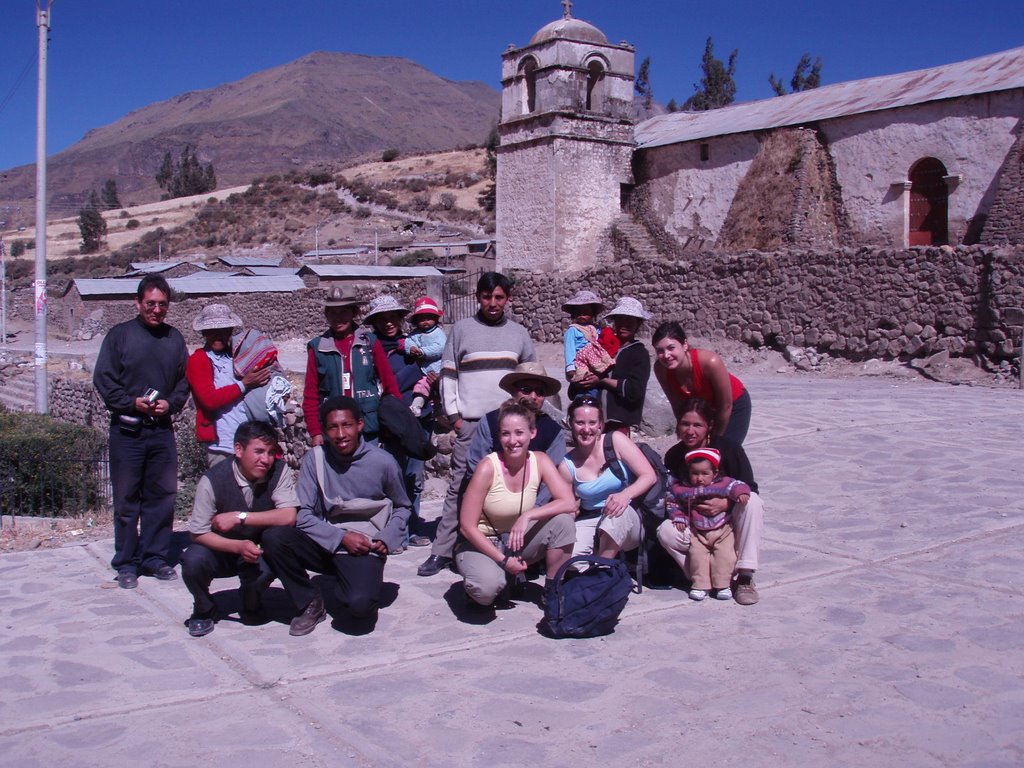
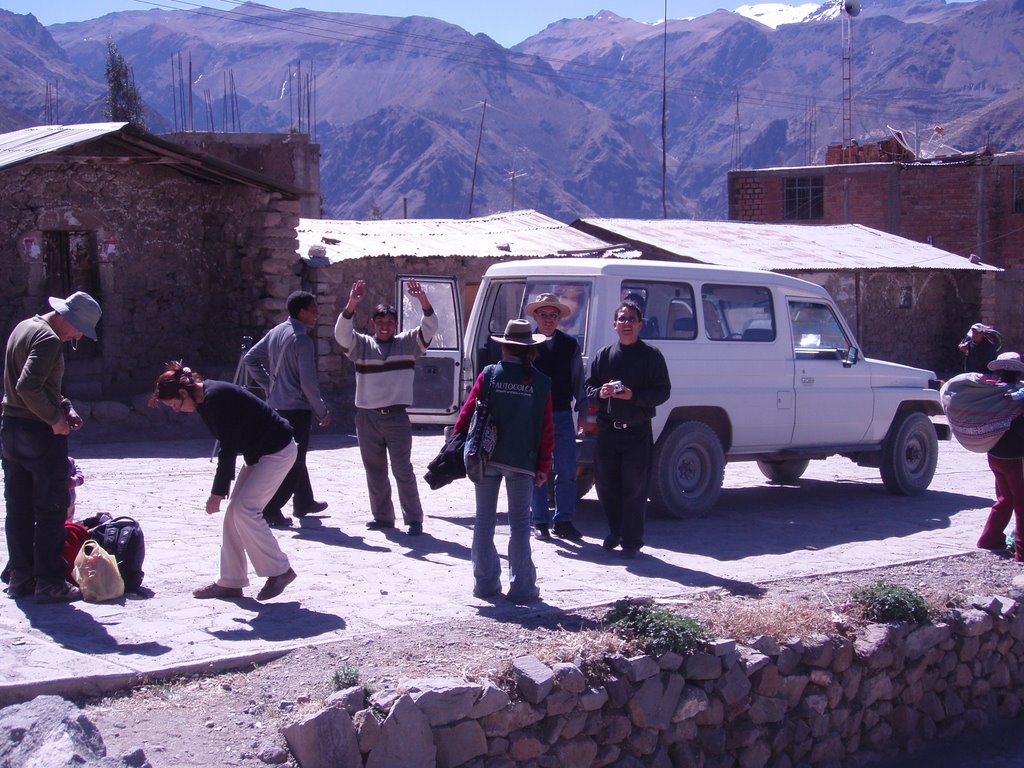
1:30 p.m. We keep picking up people left behind by the over-crowded buses until we’ve got a grand total of 14 adults and 4 babies jammed into the small van. (That's our group, below.)
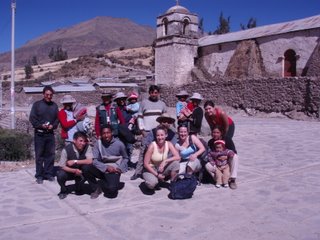


1:45 p.m. The priest drops us all off at the next town, which just so happens to be four towns before our hotel’s. We try to find a taxi or a phone, but the tiny square is deserted and the only hotel is locked tight. (That's the white van we all managed to pile in.)
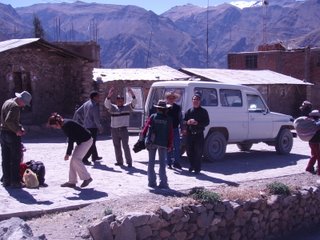


1:47 p.m. We enter a dusty bodega to ask about a taxi, but it seems they don’t exist. Our only option, according to the cashier, is the unreliable 2 p.m. bus.

1:48 p.m. We email the hotel manager from a local school to tell him we’re stranded in this tiny town and don’t know how to get back. For lack of other options, we head back to the deserted square to wait for the bus.

2:00 p.m. Still no bus. We’re really stranded! We’re going to fry under this sun with no food and no taxis and one knows where we are.

2:30 p.m. Cesar pulls up in his white jeep. We’re saved!

3:30 p.m. We arrive at our hotel 10 hours after we left for a 15-minute condor spotting, dusty, sunburned and exhausted-but all in one piece.

Morals of the story:
A. Bus schedules are subject to change without warning, so having patience and an alternative plan is essential.
B. It’s OK to rely on the kindness of strangers.
C. Never go into the desert with out water.

HCC
Thursday, July 20, 2006

How We: Packed for a Year

Try as we might, we couldn’t pair down quite as much as the hardcore backpackers, who travel with a single change of clothes, sneakers, a toothbrush and a smile. But by sticking together, we were able to divide and conquer, splitting up our first aid kids, electronics, reading material and several “extras.” Click here to find out what we amazingly shoehorned inside our three backpacks (yeah, it’s a lot, but next go ‘round, we’re paring down!).

--AP

Wednesday, July 19, 2006

Dodging the (blanket) fuzz

ADP: Puno, the Peruvian gateway to Lake Titicaca, turned out to be something of a slum with prisonlike, unheated accommodations, so we opted not to stay there for another night and instead take a five hour bus directly to infinitely more gorgeous “White City” of Arequipa.

Earlier in the day, we’d returned from Copacabana (Bolivia) to Puno (Peru) on a tourist bus, and had been appropriately insulated from reality with climate control, an English speaking guide and of course, a slew of other backpackers seatmates hailing from all parts of the world.

When we arrived in Puno and realized that we couldn’t use our pre-purchased tourist ticket to head to Arequipa a day earlier than scheduled, we bought the cheapest seats we could find—just a shade under $5—on a bus that serviced, from front to back, 100 percent locals. I was quietly thrilled at the utter lack of other tourists, as examples of “real,” unvarnished culture are hard to find on this, the Gringo Trail.

Soon after boarding the bus, a young, moon-faced woman with dark braids down to her a waist and a multi-tiered pink skirt reminiscent of an 80s prom dress approached us and asked us, in Spanish, if we’d like to borrow blankets for the ride. Seasoned to be suspicious of anyone offering anything for free, we declined the ultra-soft, sizable mantas and instead bought our own at the next stop in Juliaca. It was a wise move: the ride through the mountains rapidly turned sub arctic, and we had to hide our entire bodies and faces under the fabric to keep from becoming human popsicles.

Adding to the freezing frustration was the fact that the bus stopped constantly, at first to add more passengers and then to get raided by the aduana, or customs officials. We watched as they pulled bags from the bottom of the bus and then poked through bundles in the overhead bins, clearly looking for some kind of contraband.

We were pretty convinced that they we’re searching for drugs (Peru is the continent’s second largest producer of cocaine and shares a sizable border with Columbia), so when the stern looking uniformed men started yanking blankets out of bags, we twisted around in our seats, watching as they carted off the very woman who’d offered to lend us a few from her own pile.

As it turns out, according the comparatively well-dressed Peruvian women in the seats next to us, carrying the machine manufactured blankets across the border from Bolivia was illegal, a customs infraction that wasn’t quite as serious as packing away a few kilos of cocaine, but disallowed just the same.

The blanket girl reboarded the bus and joined her group, look more sheepish then terrified, and later as the temperate inside dropped off as steeply as the cliffs outside our windows, I wished that I’d taken her up on the offer the “borrow” an extra from her. They might be contraband, but as Jen and I played polite tug of war with the one we shared between us, I secretly wished I had an extra one all to myself!

Have TP, Will Travel


Travel has a way of bringing you back to the very basics of life—food, shelter, warmth and um, bodily functions. The sad fact is, Holly, Jen and I have spent far more time discussing the bathroom and what goes on inside of it than any other topic, and we’ve long been baffled by the conspicuous absence of soap, toilet paper, hand towels, toilet seats and in some cases, the bowls themselves, in Peruvian “washrooms.”

We’ve accepted (but are still pretty grossed out) by the certainty that a large percentage of locals, including the very folks who prepare our food, don’t wash their hands after they use el bano. But we just couldn’t fathom the notion that Peruvians were skipping the essential step that involves toilet paper—is it possible that a whole nation of people are walking around without having wiped their backsides? We were desperate to know what was going on, but our questions were not exactly the kind you can ask on a local city bus or to your waiter after he takes your order. “Excuse, me but do you carry Charmin around in your mochilla? Do you use it regularly?”

Finally, after spending three and a half weeks with these sensitive questions burning in our brains, I set aside my pride and approached a young woman in the bathroom of a pizza restaurant in Arequipa. After I delicately asked her if Peruvians must plan ahead and bring toilet paper with them, she misunderstood my admittedly poor Spanish and graciously offered me a few squares from her own stash. Pressing her a bit more for explanation, she said yes, locals do indeed keep TP in their bags.

Lest I think that only women have enough foresight to pack the paper, today I noticed a man on our bus sitting with a full roll in his lap, likely anticipating the next potty break.

We can’t explain how “relieved” we are to have this mystery solved!

-AP

LG of the Week: Lynn Wojszynski

Congrats to our very impressive LG of the Week. Not only has she been exploring the world practially since birth, but now she's seeing it as an officer in the US Air Force. We salute you, Lynn!

Her story:

"As a military brat, I’ve been Lost my entire life. I call Alabama home, as I stayed there for 7 years, but in 2000, I got the itch to move again, schlepped 800 miles north for college, and earned a commission into the Air Force in 2004. My first assignment led me to St. Petersburg, RU, followed closely by an assignment to England, and then Korea.

Over the course of my life, I’ve traveled to or lived in 16 different countries: Germany; the United States; Russia; Mexico; France; England, Scotland, Ireland, and Wales; Greece; Italy and Vatican City; Slovenia; the Czech Republic; Spain; and Austria. I’m adding Belgium, Korea, and hopefully Japan before the end of the fiscal year. I’ve seen the Berlin Wall and Hadrian’s Wall, tasted Guinness and Budweiser straight from the breweries, participated in archaeological digs in Russia, and attended church services in 7 different languages. I can’t wait to add new adventures!"

Tuesday, July 11, 2006

Our First Home Away from Home

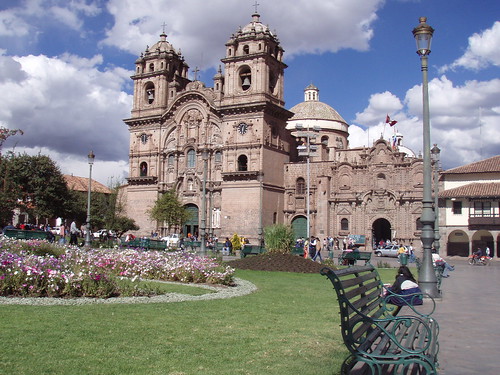
The town might have cobblestone roads instead of yellow brick ones and the little munchkins who skip through the town square are actually angel-faced street kids, but after descending from the clouds into this mystical Andean city punctuated with rainbow-colored flags, we realized one thing: there’s no place like Cusco.


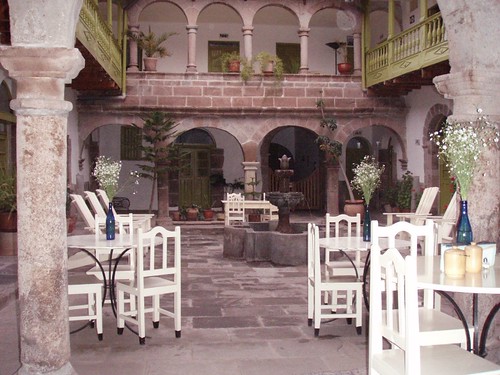
Sure, we got a touch of altitude sickness on our first night, but it was hardly something that a warm bed and a few cups of mate de coca at the Hotel Monastario (the local tea brewed with coca leaves and steaming hot water) couldn’t cure.


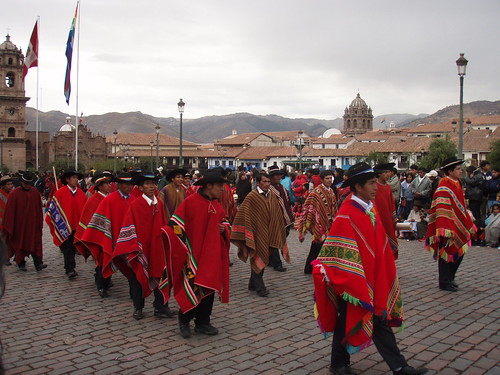
Our arrival from Lima coincided with the frenetic conclusion of Inti Rami, an ages-old festival that once paid tribute to the sun god and in modern times can make Mardi Gras look like just a homecoming parade.


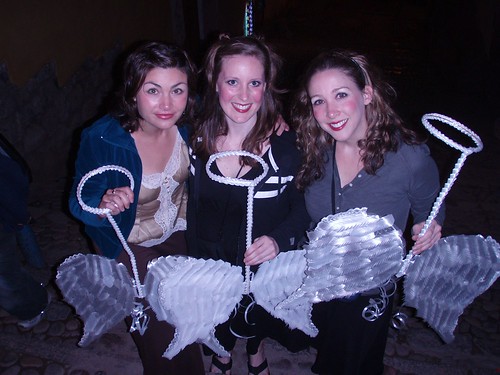
After checking into our first hostel, Loki, we quickly learned that locals, ex-pats and travelers alike were all gearing up for “the party of the year” at Fallen Angel, a club with a heaven & hell theme and some serious big-city attitude. The only entry requirements: a red wristband and a pair of wings. Since the Lost Girls weren’t feeling artistic enough to fashion our own from wire and nylon, we headed to the “piƱata” district to buy three sets for the bargain price of 14 soles, or $4 each.


We couldn’t linger in heaven forever, so we decided to come back down to earth by having an enormous brunch in one of Cusco’s most delicious cafes--Jack’s, an Irish-run spot located in the artsy San Blas neighborhood. True, homemade veggie burgers, banana pancakes, chocolate milkshakes and chicken soft tacos don’t exactly qualify as “platos typicos” in Peru, but this comfort-food hangout is an unparalleled favorite among backpackers, thanks to its cheap prices and ginormous portions.


Wandering down the narrow streets and slipping over slick stones that barely contitute sidewalks, The Lost Girls learned two things: 1. Always wear shoes with thick rubber treads and 2. Don’t expect to see all of Cusco in a single day. Like our fabulous hometown of New York, this city is best explored slowly, on foot, by poking your head into the countless clothing stalls, jewelry stores, food shops and artisan markets that radiate out from the central square. We found the fresh goods market at San Pedro both fascinating and unsettling. Under the same massive tents where fresh cheeses, fruits, veggies and breads are sold, one can also purchase a fresh bovine head or the entrails of a pig. Think the very sight of it can kill an LG’s appetite? Not quite.


Thanks to the innumerable brick and clay ovens found in Cusco, the pizza here rivals that of Famous Ray’s back at home. With the help of some new Irish friends, we gave into thin-crust lust at Baco, a wine and tapas restaurant that just opened near the Plaza del Armas. Instead of boring bread, we nibbled on Peru’s most ubiquitous and delicious delicacy before dinner—potato fries smoothed in green and cheese sauces and served with tangy fruit salsas.


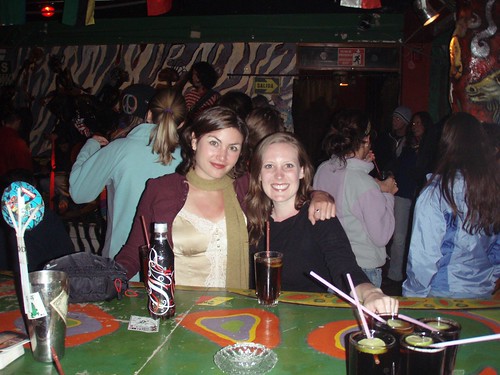
To cap off the evening, we headed to Mama Africa, a cave-like, over-the-top nightclub that sets the mood with zebra striped walls, a huge plaster elephant (complete with 3 foot trunk!) and tribal club music playing to a crowd of revelers from all over the world. There, we toasted to the launch of our adventure with the happy hour special—three Pisco Sours, extra foamy.


Sin Gas o Con Gas?

Jen: Throughout most Spanish speaking countries, there’s one question that’s frequently uttered in restaurants, at street vendors and basically anywhere that sells water. Sin Gas or Con Gas? Translation: Would you like your water with or without bubbles? (a.k.a. flat or sparkling?). The Lost Girls are used to answering immediately, sin gas. However, we learned a bit too late that we also should have applied this phrase during our recent tour of Sacsayhauman in Cusco, Peru (immense ruins of both religious and military significance).

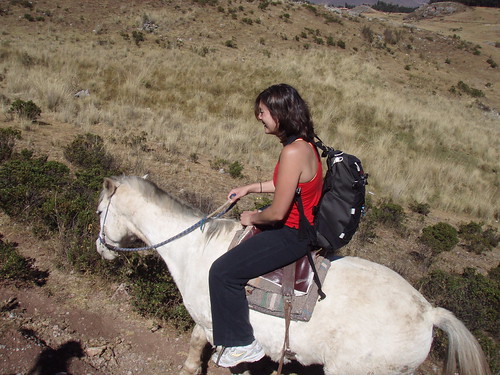
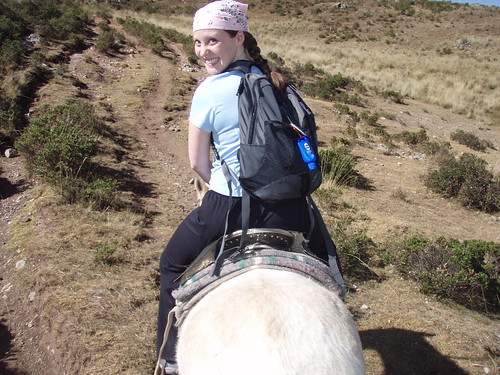
The Story: After a few days of adjusting to Cusco’s high elevation, we decided to defy the Altitude Sickness Gods and take the steep uphill climb to visit the famous site of Sacsayhuaman, which is more popularly referred to by its mnemonic ‘sexy woman.’ Happy to be outdoors and getting some exercise, the LGs bound up the hill past sheep, donkeys and other tourists, arriving at the historic site in less than 30 minutes. We were feeling so good that after snapping a few photos of the area, we decided we were up for the 3-4 hour horseback ride offered in the area.

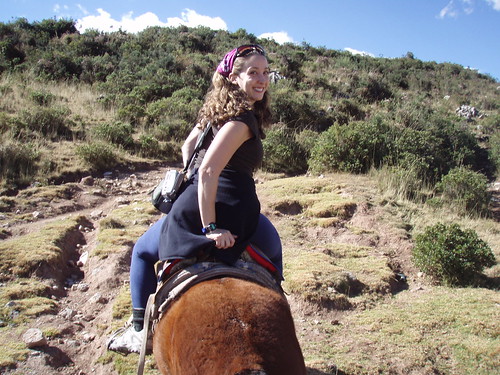
We quickly tracked down one of the numerous guides waiting at the entrance of the park and negotiated an amazing rate for the afternoon (20 soles per person; approximately $6). We walked over to the nearby farm where we met our slightly thin, but seemingly strong horses, Pancho (Amanda’s), Napoleon (mine) and Chico (Holly’s). We climbed a top our trusty steeds and were off! Well, sort of. Our guide decided to follow us on foot rather than on another horse, so our dreams of galloping through the hills were quickly squelched. “Can’t we go a bit faster,” we asked (well, Amanda and I did anyway). Holly was content to continue at the slower pace until we got to the edge of a sheer cliff. The horses navigated the skinny path that wound around the countryside, but one look down was enough to shake the LGs nerves just a bit. Do Peruvian horses have the same great sense of balance as American horses?

Just when we thought our tour couldn’t get more interesting, we heard a loud and very inappropriate sound coming from the backside of Amanda’s horse. Oh my God, Pancho had just ripped the absolute largest fart we’d ever heard. And he didn’t stop with just one. He continued his persistent musical tooting all the way down the mountain. We erupted in fits of giggles, practically falling off of our horses as we tried desperately to maintain control. The guide, looking quite bored with our immature ‘horse play’ continued walking along as if one of his horses wasn’t stinking up the entire path.

I was in the unfortunate position of being down wind of Pancho the Pooter, as we so affectionately termed him, but every time she tried to steer her horse around to the front, Pancho would lash out and bite Napoleon on the neck. Clearly Pancho was the alpha male of the group! Eventually we all managed to separate ourselves enough from each other and were able to pay attention to the breathtaking scenery around us. Although we never tired of bursting into uncontrollable laughter every single time Pancho let one rip (which was about every few minutes). This proved particularly interesting when we tried to pull out our camera to snap some action shots. If you’ve ever tried to steer a horse and take pictures while in complete hysterics, you’ll know that it’s not easy. In the end, we had a great time horseback riding, but learned one very important lesson.

The Moral of our Story: When horseback riding in Peru, always pre-order your horse sin gas!

---Jen

(Check out the quick clip of our adventures. Sin gas, we promise!)

Monday, July 10, 2006

Be a Safety Girl

Hurricanes. Montezuma’s revenge. IPod thieves. No trip ever goes exactly as planned, and there are plenty of surprises that could put a damper on the joys of travel. Just look at the Lost Girls—we kicked off our trip with lost luggage and two out of three of us getting a funky foreign bug.

Fortunately, we’re surging ahead because we thought ahead and signed up for travel insurance covering emergency medical assistance, trip cancellation and stolen electronics. We opted for a policy from World Nomads (www.worldnomads.com) because it allows us to give back while protecting ourselves: You can donate a portion of your fee to the Footprints charity program to help educate kids in Nepal or bring doctors to remote villages in India.

Other cool features include a free online travel journal so your friends can keep updated on your big trip, and a travel writing contest where the winner scores a year’s worth of coverage. Take two seconds and click on the link below to learn more or get a policy of your own. Yeah, we know that buying travel insurance isn’t exactly fun, but then again, neither is Amoebic Dysentery.

Sunday, July 9, 2006

Lovin´ Los Ninos


After sharing co-ed dorm rooms with very stinky (male) roommates at one germ-infested hostel, freezing our asses of at another that had neither heaters or hot water and coming down with fevers, stomach cramps and general ickiness, the Lost Girls finally decided to take good care of themselves during their final days before the Inca Trail by checking into a sweet little boutique guesthouse they’d heard wonderful things about: The Ninos Hotel.

Created in July 1998 by Jolanda van den Burg, Ninos was established as a business that would exclusively benefit several of the street children that this Dutch-born humanitarian had seen working and begging along the narrow cobblestone byways of Cusco.

Because of the growing support and stable profit provided by the original Ninos Hotel (where the LGs have now set up camp!), Jolanda was able to open up a second hotel and two restaurants that serve hot, highly nutritious meals to children in need. Not only do the kids get something to put in their tummies six days a week, they receive medical and dental care, hot showers, sports programs, homework support and a huge boost to their self-esteem.

In addition to Jolanda’s amazing work within the community, she’s personally adopted 12 boys whose names and photographs adorn the walls and rooms in the hotel. In addition to her own biological children (two absolutely adorable blonde cuties), she’s adopted and placed another 23 children who live in two separate families with Peruvian foster parents.

Of course, The Lost Girls love what Jolanda’s project stands for, and have stayed in the Ninos Hotel for over a week in Cusco. Not only do we get warm fuzzies supporting the project, we’re staying in an absolutely charming hotel that’s decorated with lemon-colored hardwood floors, sprays of wildflowers and dozens of black and white photos of children so precious, our bottom lips quiver just a bit when we look at them. And, the icing on the cake: the Dutch-style breakfasts are both inexpensive and incredibly delicious….a yogurt parfait, eggs, bread & jam, tea, orange juice and fruit salad is only $3.

If you want to learn more about the Ninos Projects and how you can help, log on to www.ninoshotel.com.

Saturday, July 1, 2006

LG Tip of the Week: Always Carry Toilet Paper


Back home in the States, running out of TP is a mild inconvenience, but not a crisis: you simply grab a handful from the next stall over, and you´re set. On the road, however, there´s often only one bathroom, and "luxury amenities" such as soap, paper towels, toilet paper have never graced the inside of it. So, after getting caught ourselves a few times, we realized that its a good idea to throw a roll of Charmin and Purell hand sanitizer in our bags before setting out for the day. An even smarter move: checking out the facilities before sitting down to eat a restaurant meal. After all, if the one-and-only bathroom in the place doesn´t contain soap, you might end up swallowing a lot more than just aplaca and potatoes for dinner. Sorry to be gross, but that´s the reality of the road!